GAS GSUGES

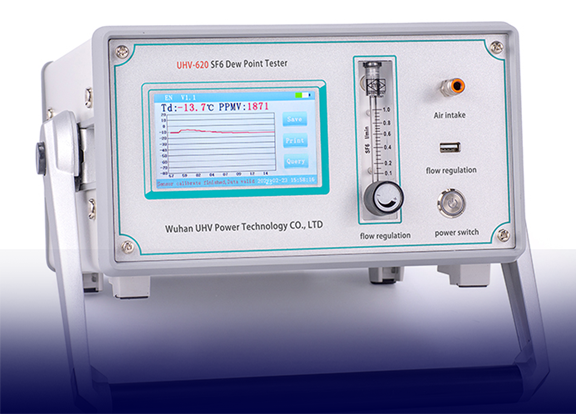
A Dew Point Meter is an instrument designed to measure the dew point—the temperature at which air becomes saturated and water vapor begins to condense into liquid (dew). These devices are widely used across industries such as meteorology, HVAC (heating, ventilation, and air conditioning), food processing, pharmaceuticals, and industrial processes.

How It Works

Dew point meters typically use a humidity sensor (capacitive or resistive) and a temperature sensor. By measuring relative humidity and ambient temperature, the dew point is calculated. Advanced models can measure the dew point directly.

Main Components

  • Humidity Sensor: Measures the relative humidity of the air.
  • Temperature Sensor: Measures ambient temperature.
  • Processor: Calculates the dew point based on sensor readings.
  • Display: Shows measurement results clearly.

Applications of Dew Point Meters

  1. HVAC (Heating, Ventilation, and Air Conditioning)
    • Control humidity in heating, ventilation, and air conditioning systems.
    • Prevent condensation in ducts and equipment.
  2. Food Industry
    • Monitor humidity during production and storage.
    • Prevent spoilage caused by excessive moisture.
  3. Pharmaceutical Industry
    • Maintain proper humidity in cleanrooms and drug storage.
    • Protect medicines from moisture-induced degradation.
  4. Oil and Gas
    • Measure dew point in natural gases to prevent water formation in pipelines.
    • Avoid corrosion of equipment due to moisture.
  5. Chemical Industry
    • Control humidity in sensitive chemical processes.
    • Prevent unwanted moisture-induced reactions.
  6. Electronics
    • Monitor humidity in electronic component production lines.
    • Prevent moisture damage to circuits.
  7. Aerospace
    • Measure humidity in testing and operational environments.
    • Prevent ice formation in fuel systems and aircraft.
  8. Automotive
    • Control humidity in production and painting lines.
    • Prevent condensation in fuel tanks and ventilation systems.
  9. Printing and Packaging
    • Control humidity to prevent paper deformation.
    • Preserve packaging quality.
  10. Textile Industry
    • Maintain proper humidity in fabric and fiber production.
    • Prevent moisture-related material damage.
  11. Wood and Furniture
    • Control humidity during wood drying processes.
    • Avoid warping and cracking.
  12. Paper and Pulp
    • Maintain humidity for quality and dimensional stability of paper.
  13. Plastics and Polymers
    • Control humidity during production.
    • Prevent air bubbles in polymer products.
  14. Energy Industry
    • Measure dew point in gases from power plants.
    • Prevent corrosion of equipment.
  15. Agriculture
    • Control humidity in greenhouses and storage facilities.
    • Prevent crop spoilage.
  16. Construction
    • Monitor moisture in building materials such as concrete and plaster.
    • Prevent mold and fungal growth.
  1. Military
    • Control humidity in weapon and equipment storage.
    • Prevent corrosion and damage.
  2. Marine Industry
    • Measure humidity in ships and submarines.
    • Prevent condensation in electronic and mechanical systems.
  3. Meteorology
    • Measure dew point for weather prediction.
    • Study climate and atmospheric humidity trends.
  4. Scientific Research
    • Laboratory studies on humidity behavior in materials.
    • Research in energy and environmental science.

Advantages

  • High Accuracy: Precisely measures dew point, critical in many industries.
  • Simultaneous Measurement: Measures relative humidity, temperature, and dew point at the same time.
  • Fast Response: Advanced sensors quickly react to changes in humidity and temperature.
  • Durability: Certain models can operate in extreme temperatures, high pressure, and corrosive environments.
  • Portability: Many models are handheld and suitable for on-site measurements.
  • Digital Display: Clear and precise results.
  • Computer Connectivity: Some models can connect to computers or analytical software for data logging and analysis.
  • Data Storage: Save measurements for later review.
  • Automatic Alerts: Alerts when humidity or temperature reaches critical thresholds.
  • Easy Calibration: Many models offer fast and simple calibration.
  • Low Power Consumption: Optimized for energy efficiency.
  • Long Lifespan: High-quality sensors and components ensure durability.
  • Multi-industry Application: Suitable for food, pharmaceutical, oil & gas, electronics, and more.
  • Financial Protection: Prevents losses from corrosion, spoilage, and equipment failure.
  • Product Quality Improvement: Accurate humidity control enhances product quality.
  • Wide Measurement Range: Measures across broad temperature and humidity ranges.
  • Maintenance Cost Reduction: Prevents condensation and corrosion, reducing upkeep costs.

Working Principles of Dew Point Meters

  1. Chilled Mirror Method

One of the most accurate methods for measuring dew point:

  • A small mirror in the device is continuously cooled.
  • When it reaches the dew point temperature, water vapor condenses on the mirror.
  • An optical sensor detects the dew formation.
  • The mirror temperature at dew formation is recorded as the dew point.
  1. Humidity Sensor Method
  • Measures relative humidity and ambient temperature using sensors.
  • The processor calculates the dew point using thermodynamic formulas:

Thermodynamic formulas

Where:

  • TdT_dTd​: Dew point (°C)
  • TTT: Ambient temperature (°C)
  • RHRHRH: Relative humidity (%)
  • aaa and bbb: Empirical constants
  1. Direct Measurement

Advanced meters can directly measure the dew point, typically used in industrial and high-precision applications.

Factors Affecting Accuracy

  • Sensor Quality: High-quality sensors improve accuracy.
  • Calibration: Regular calibration maintains precision.
  • Environmental Conditions: Temperature, pressure, and humidity affect performance.

Types of Dew Point Meters

  • Portable Devices: Lightweight, suitable for field measurements.
  • Fixed Devices: Permanently installed in production lines, resistant to harsh environments, with control system integration.
  • Online Analyzers: Continuous real-time monitoring with automatic alerts and data integration.

Key Features

  • Measurement Accuracy: Up to -80°C with ±0.1°C precision.
  • Response Speed: Rapid reaction to environmental changes.
  • Operating Pressure: Up to 16 bar.
  • Wide Range: -100°C to +20°C.
  • Continuous Monitoring: 24/7 measurement and data logging.

Measurable Parameters

  • Dew Point Temperature (°Ctd)
  • Relative Humidity (%RH)
  • Ambient Temperature (°C)
  • Pressure (bar)

Important Considerations for Choosing a Dew Point Meter

  • Compatibility with specific requirements
  • Measurement range
  • Technical features
  • Environmental conditions
  • Connectivity options
  • Portability
  • Maintenance and calibration

Maintenance and Calibration

Regular Calibration

Ensures measurement accuracy, operational stability, compliance with standards, and extended device life.

Maintenance Methods

  • Periodic calibration
  • Regular cleaning
  • Proper environmental storage
  • Protection against shocks and vibrations
  • Battery checks and replacements
  • Data monitoring and logging
  • Protection from contaminants
  • Following manufacturer guidelines
  • Staff training

After-Sales Services

  • Periodic calibration
  • Device maintenance and repair
  • Technical support and training
  • Spare parts supply
  • Installation and setup
  • Software updates
  • Reporting and consultation
  • Warranty and reimbursement
  • Online services
  • Periodic inspections

————————————————–

Sources:

www.sciencedirect.com

en.wikipedia.org

www.livescience.com

www.study.com