
This post is also available in: Persian Armenian
The maritime industry plays a crucial role in global transportation and international trade. However, it also stands as one of the leading sources of air pollution and environmental degradation. The fossil fuels commonly used in ships emit significant amounts of greenhouse gases, particulate matter, and toxic substances, all of which pose severe risks to human health and ecosystems. In recent decades, numerous efforts have been made to reduce emissions from shipping. Among the emerging and effective strategies is the use of liquid oxygen (LOX) in various fuel-related processes.
An Introduction to Liquid Oxygen and Its Applications
Liquid Oxygen (LOX) is a colorless, odorless cryogenic liquid produced through fractional distillation of atmospheric air. While oxygen in its gaseous form is abundant in nature, its liquid form is denser and occupies significantly less volume, making it far more efficient for transportation and large-scale storage. These properties have made LOX an essential component across multiple industries.
Primary Applications of Liquid Oxygen:
Aerospace Industry:
LOX serves as a key oxidizer in rocket propulsion systems. When combined with various fuels, it enables powerful combustion reactions essential for launching rockets and spacecraft. Due to its high density, LOX can store a substantial amount of oxygen in a compact volume—critical for long-duration space missions.
Metallurgical Industry:
LOX is used in high-temperature metalworking processes such as welding and cutting. It enhances precision and control, while also improving operational speed and efficiency.
Chemical Industry:
LOX acts as an oxidizing agent in chemical manufacturing processes, including material oxidation and the synthesis of various chemical compounds.
Medical Field:
In specialized settings, LOX is used to treat respiratory conditions, offering high-purity oxygen in critical care scenarios.
| Must read: Liquid oxygen in medical oxygen supply |  |
Life Support Systems:
LOX is utilized in life support systems for submarines and manned spacecraft, providing a stable and concentrated oxygen source in enclosed environments.
Potential Advantages of Using LOX in the Maritime Sector
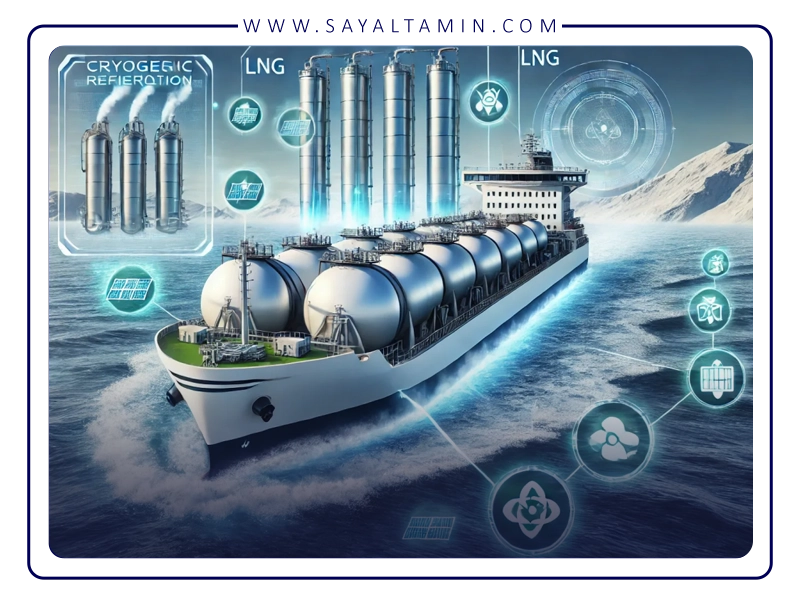
1. Enhanced Engine Combustion Efficiency
In certain marine applications, such as diesel-powered vessels, injecting liquid oxygen into combustion chambers can significantly boost the efficiency of fuel combustion. This leads to higher combustion temperatures and pressure, resulting in improved engine performance, lower fuel consumption, and reduced emission of harmful pollutants.
| Read more: Use of liquid oxygen in clean fuel production |  |
2. Increased Power Output in Specialized Diesel Engines
LOX can be used to enhance engine performance under extreme operating conditions—such as deep-sea missions or adverse weather—particularly in military or research vessels that require additional power.
3. Support for Onboard Industrial Operations
In ships equipped with industrial facilities—like production vessels or offshore platform support ships—LOX can be used for onboard metal cutting, welding, or even small-scale chemical production. This not only increases the efficiency of operations but also enhances the ship’s self-sufficiency.
4. Emergency and Rescue Operations
In critical rescue missions, LOX can serve as a reliable and long-lasting oxygen supply for crew members and rescued individuals, especially in remote or isolated maritime zones. This is particularly valuable during prolonged emergencies.
Environmental Benefits of Liquid Oxygen Integration
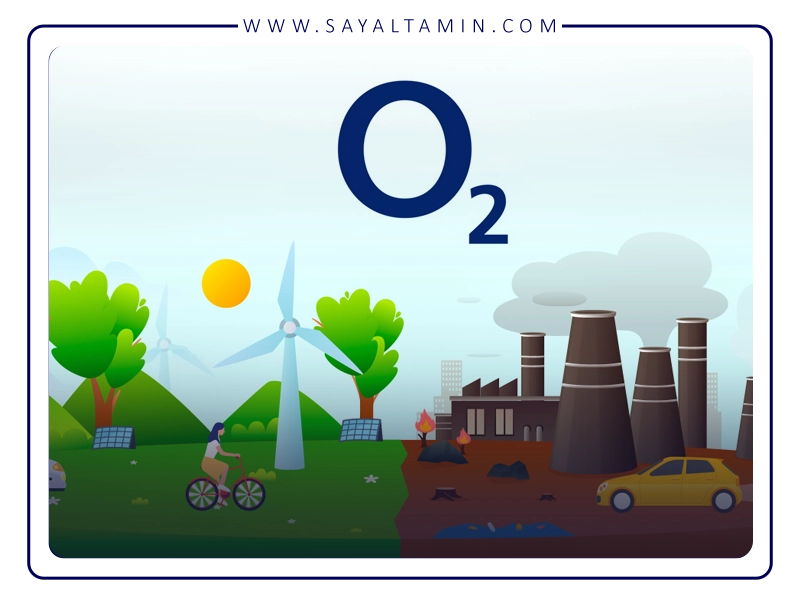
Reduced Greenhouse Gas Emissions:
Using LOX in combustion processes enables more complete and efficient fuel burn, thereby lowering emissions of CO₂ and other greenhouse gases.
Lower Particulate and Toxic Emissions:
LOX-based combustion systems produce fewer particulates and reduce emissions of harmful substances such as nitrogen and sulfur oxides, improving air quality and minimizing ecological harm.
Fuel Economy and Cost Savings:
Enhanced combustion leads to lower overall fuel usage, contributing to both environmental sustainability and reduced operational costs.
Enabling Cleaner Energy Systems:
LOX can be combined with cleaner fuels such as hydrogen or biofuels, paving the way for low-carbon propulsion technologies in shipping.
Challenges and Limitations
High Storage and Transportation Costs:
Storing and transporting LOX requires specialized insulated tanks and complex cryogenic infrastructure, which can be costly to implement and maintain.
Safety Risks:
LOX is extremely cold and reactive. Mishandling can lead to severe accidents, including fire or explosion. Strict safety protocols must be followed in all stages of use.
Limited Applications in Commercial Shipping:
The use of LOX is still relatively limited in general maritime operations, typically restricted to specialized vessels and scenarios requiring advanced planning and equipment.
Liquid oxygen in submarine life support systems
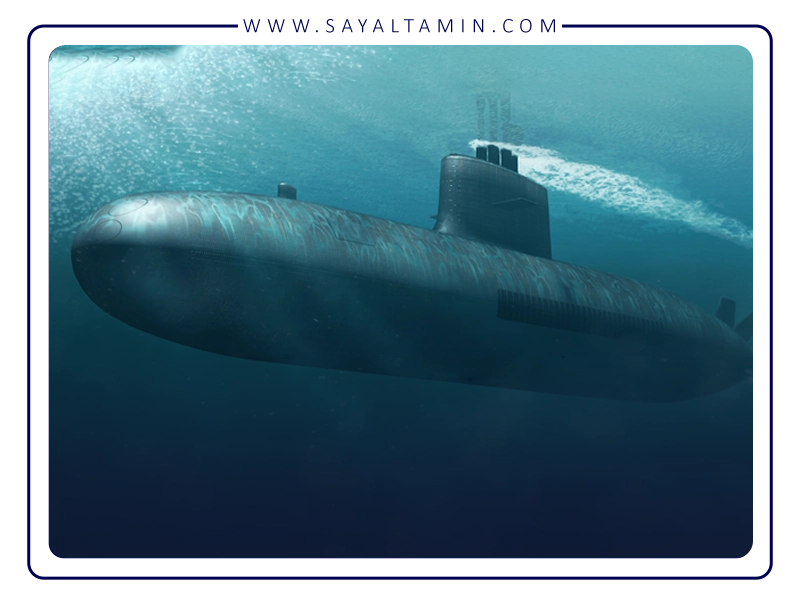
LOX in Submarine Life Support Systems In submarine missions, especially those involving extended deployments or limited access to surface ventilation, LOX is a highly effective oxygen source due to its density and compact storage potential.
Key Benefits:
Efficient Oxygen Supply:
High-density LOX allows for more oxygen to be stored in a smaller volume, enabling longer missions without surfacing.
Space Optimization:
LOX systems occupy less space compared to traditional compressed gas cylinders, improving space utilization aboard submarines.
| Read more: Liquid oxygen in space technology |  |
Improved Air Quality:
LOX can be integrated into onboard air purification systems to maintain safe oxygen levels and reduce CO₂ accumulation.
Emergency Readiness:
In case of system failure or sudden loss of air quality, LOX systems provide a rapid-response backup oxygen source.
Safety and Logistical Considerations
Storage and Transport:
Specialized cryogenic tanks and transport systems are essential for safely handling LOX. Storage areas must be isolated from flammable materials and equipped with proper ventilation and leak detection systems.
Potential Hazards:
Accidental leaks or exposure to flammable materials can cause fires or explosions. Breathing pure oxygen at high concentrations is also dangerous, emphasizing the need for advanced monitoring and control systems.
Specialized Equipment Requirements:
Ships utilizing LOX must be equipped with advanced systems for storage, delivery, and regulation of the substance, alongside comprehensive crew training.
Despite the technical and safety challenges, liquid oxygen holds significant potential for enhancing performance, safety, and environmental responsibility in maritime operations. As technology advances and global attention to marine emissions increases, the integration of LOX into ship systems—especially in specialized vessels such as research ships, military submarines, and offshore service units—is likely to expand. Its role in future-oriented, low-emission marine propulsion and life support systems makes LOX a valuable asset in the evolution of sustainable maritime technologies.
————————————————–
References