
This post is also available in: Persian Armenian
Nitrogen was first discovered and isolated in 1772 by Scottish physician Daniel Rutherford, and simultaneously by Carl Wilhelm Scheele and Henry Cavendish. Antoine Lavoisier suggested the name Azote (ἀζωτικός), meaning “without life” in Ancient Greek, because this gas causes suffocation.
Nitrogen makes up about 78% (by volume) of Earth’s atmosphere, making it the most abundant chemical species in the atmosphere. Nitrogen gas has a lower density than air and is slightly soluble in water. It is generally known as an inert gas due to its low reactivity.
Nitrogen is a colorless, odorless, and non-toxic gas, and it has neither flammability nor explosion potential. It ranks seventh in abundance in the Milky Way galaxy and the solar system. At standard temperature and pressure, two nitrogen atoms bond to form N₂, a diatomic gas molecule.
In fact, nitrogen suppresses combustion and flames due to its low thermal conductivity and ability to reduce the oxygen concentration in the surrounding environment. Hence, it is considered a fire suppressor. Due to its very low reactivity, nitrogen does not form harmful byproducts even when exposed to flames or high heat. Nitrogen has a very strong triple bond (N≡N), which, after carbon monoxide (CO), is the second strongest bond in any diatomic molecule. The formation of nitrogen gas releases large amounts of energy through the combustion, explosion, or decomposition of nitrogen-containing compounds. Nitrogen atoms consume a significant amount of energy to break their strong covalent bonds and react with other substances. Nitrogen has three electrons in its outermost shell. The outermost shell is a p-orbital, which needs six electrons to be fully filled. Given that it has a semi-filled configuration, nitrogen has a valency of 3 and can accept three additional electrons. This is why nitrogen is commonly found in a gaseous state in nature, as two nitrogen atoms combine to form a molecule, which is more stable than a single nitrogen atom. Thus, both nitrogen atoms, with three electrons in their outer shell, form covalent bonds and create nitrogen gas through a triple bond.
Nitrogen is produced and separated industrially by fractional distillation of liquid air using pressure swing adsorption (PSA) or membrane methods.
Applications of Nitrogen Gas
- Water and Soil:
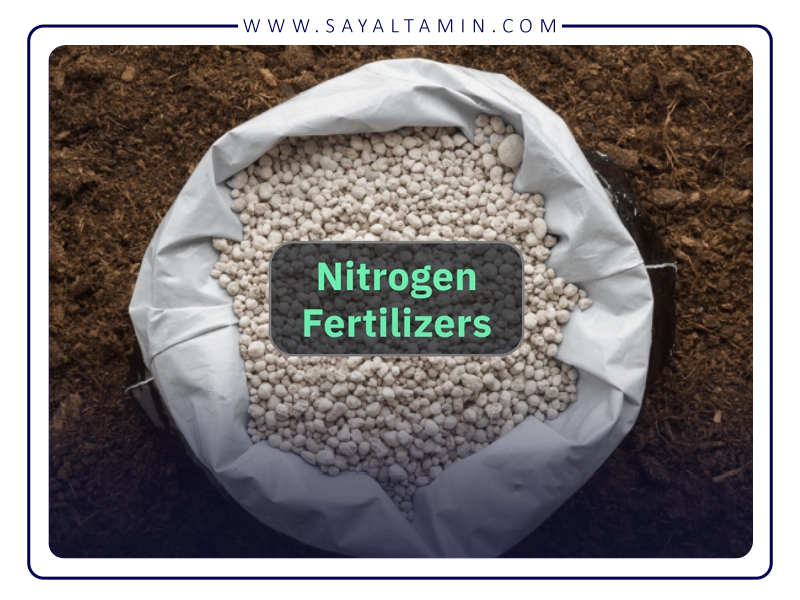
Water and soil contain significant amounts of nitrogen in the form of nitrates and nitrites. These molecules are part of the nitrogen cycle, which is also linked to the carbon cycle. Nitrogen is a component of proteins, making it essential for plant growth. This importance makes nitrogen vital in the agriculture industry. - Ammonia and Nitric Acid Production:
Nitrogen is used in the production of ammonia, which is then used to create nitric acid, a key ingredient in chemical fertilizers. - Cryogenics:
Nitrogen is used as a cryogenic substance to freeze blood, viruses for vaccinations, reproductive cells, and to preserve biological samples and tissues. - Cryotherapy:
Cryotherapy is a treatment method where extreme cold is applied to freeze and destroy abnormal tissues (e.g., skin lesions, moles, warts). Liquid nitrogen is used to generate the cold. - Cooling of Reactors and Devices:
Nitrogen is used to cool reactors filled with catalysts and devices such as MRI (Magnetic Resonance Imaging) and NMR (Nuclear Magnetic Resonance) during maintenance, significantly reducing cooling times and maintaining the desired reaction temperature. Cooling reactors helps in better control of side reactions in pharmaceutical and medical industries. - High-Purity Nitrogen in Pharmaceuticals:
High-purity nitrogen is used to prevent contamination and maintain the integrity of final products. It is also used in drug packaging to prevent oxidation and absorb moisture. - Oil and Gas Industry:
In the oil and gas industry, nitrogen is used for fire prevention, explosion control, neutralizing, and deactivating chemical storage tanks, and pipeline purging. Its non-reactivity and ability to displace oxygen and other reactive gases reduce the risk of sudden combustion. - Pipeline Maintenance:
Nitrogen is used in pipeline maintenance and cleaning, particularly in natural gas pipelines, as it removes oxygen, prevents corrosion, and maintains the quality of transported liquids. - Mining:
Nitrogen is used for rapid fire suppression by displacing oxygen in the environment, and to ensure no explosion occurs when releasing an area. - Sample Preparation:
Nitrogen is used in chemical analysis to concentrate and reduce the volume of liquid samples. - Chemical Industry:
Nitrogen is essential in producing chemicals like fertilizers, paints, polyester, nitric acid, explosives, and nylons.
- Oil and Gas Extraction:
Nitrogen is used to enhance well pressure, facilitate the flow of oil and gas, and improve efficiency in extraction operations. - Food Packaging and Processing:
Nitrogen is used in food packaging and processing, either pure or mixed with CO₂, to preserve food and beverages, eliminate oxidants, maintain taste and color, and prevent spoilage. It also acts as a cushion to prevent breakage during transportation. - Freezing and Cryogenic Food Storage:
Nitrogen is used as a key cooling agent in freezing, refrigeration, and food preservation due to its very low temperature (-196°C), ensuring rapid freezing while preserving appearance, taste, and texture. - Tire Industry:
Nitrogen is used in aircraft and high-end race car tires to improve tire lifespan, maintain pressure, and prevent oxidation caused by heat and friction. This results in better fuel efficiency and long-term tire pressure stability. - Electronics and Semiconductor Manufacturing:
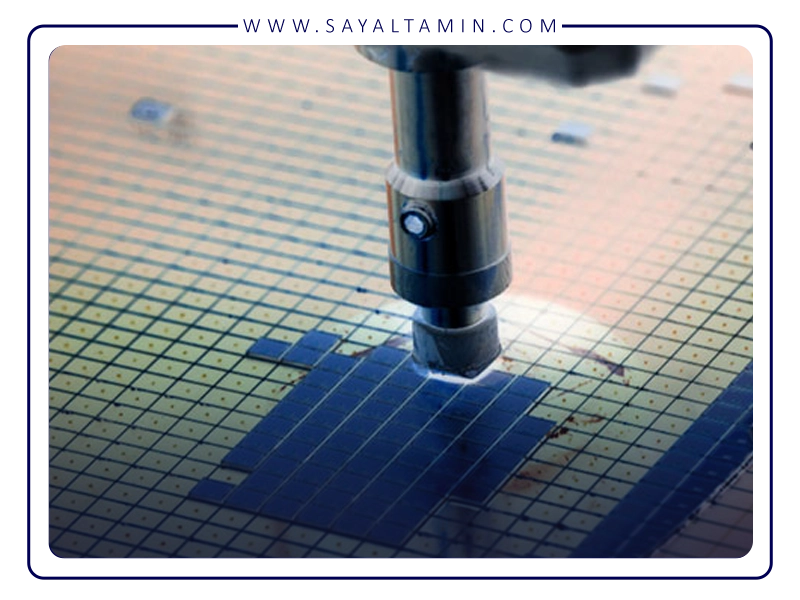
Nitrogen is used in electronics assembly, soldering, and in the production of semiconductors and circuit boards, helping to maintain a dry, clean, and inert environment for clean and high-quality work. - Steel Production and Welding:
Nitrogen is used to prevent oxidation and improve carbon reduction in steel manufacturing and heat treatment processes. - Fire Extinguishers:
Nitrogen is used in fire extinguishers, replacing oxygen to reduce the risk of fires or explosions. - Aerospace:
In some aircraft fuel systems, nitrogen is used to neutralize fuel tanks and reduce combustion risks. - Hydraulic Systems:
Nitrogen under pressure is used in construction equipment, such as hydraulic hammers, to provide more force to the hydraulic system. - Laser Cutting:
Nitrogen is used as an assistive gas in laser cutting processes to ensure optimal cutting performance. - Laboratory and Chemical Analysis:
Nitrogen is used in mass spectrometry, gas chromatography, thermal analyzers, and calibration gas mixtures.

Safety of Nitrogen Gas
Despite nitrogen being non-toxic and inert, when released in enclosed spaces, it can cause asphyxiation due to reduced oxygen concentration. Due to its vast applications, nitrogen must be handled according to safety regulations. It should be considered a potential hazard in industrial processes. Inhalation of air primarily composed of nitrogen can lead to various symptoms, including physical and mental impairments. At higher concentrations, symptoms like unconsciousness and even death can occur.
————————————————–
Sources: