
This post is also available in: Persian Armenian
Migraine is far more than a “bad headache.” It is a chronic neurological disorder that affects millions worldwide and is often debilitating. In addition to severe head pain, migraines can trigger a range of disabling symptoms such as nausea, vomiting, visual disturbances, sensitivity to light and sound, and cognitive impairment. These episodes can last for hours or even days, disrupting daily life and productivity.
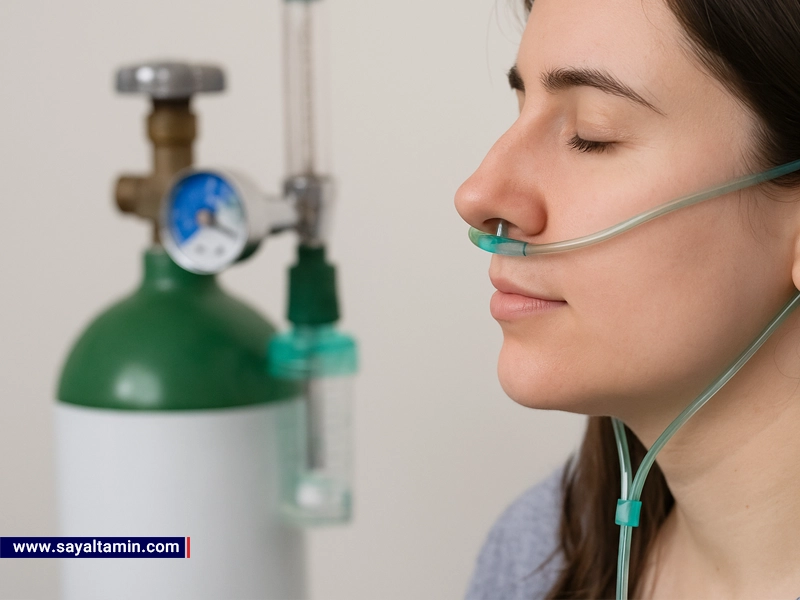
In recent years, researchers and clinicians have turned their attention to oxygen therapy, particularly in cluster-type headaches and certain forms of migraine. Clinical evidence suggests that high-concentration oxygen inhalation can help reduce the intensity and duration of attacks in some patients.
What Is Migraine?
Migraines are chronic neurological events characterized by periodic attacks of severe, pulsating, usually unilateral headaches, accompanied by other symptoms, including:
- Pain: Intense, throbbing or stabbing pain, often interfering with normal activities.
- Nausea and vomiting: Triggered by changes in brain regions controlling the digestive system.
- Sensitivity to light and sound: Common during attacks and often pain-amplifying.
- Visual disturbances (aura): Flashing lights, zigzag patterns, or blind spots may precede pain.
- Cognitive and physical impairment: Fatigue, poor concentration, and memory difficulties.
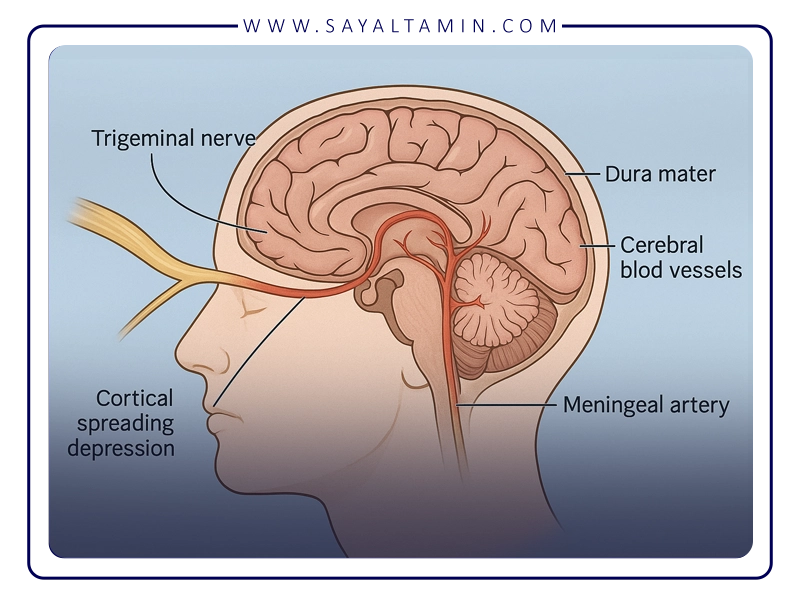
Underlying causes are multifactorial, involving genetics, hormonal changes, environmental triggers, activation of the trigeminal nerve, neuroinflammation, mitochondrial dysfunction, and altered neurotransmitter activity (e.g., serotonin, dopamine).
The Role of Oxygen in Migraine
Oxygen is vital for cellular energy metabolism, particularly in the brain. In migraine patients—especially those with cluster headaches—episodes are often associated with hypoxia (reduced oxygen supply) and abnormal cerebral blood flow.
Mechanisms linking oxygen and migraine include:
- Cerebral hypoxia: Reduced blood flow lowers oxygen availability, triggering pain pathways.
- Mitochondrial dysfunction: Impaired oxygen utilization reduces ATP production, increasing neural sensitivity.
- Vasodilation: Dilated intracranial blood vessels contribute to pain; oxygen inhalation can help constrict these vessels.
- Inflammation: Oxygen therapy may dampen neuroinflammatory mediators, alleviating pain.
Oxygen Therapy
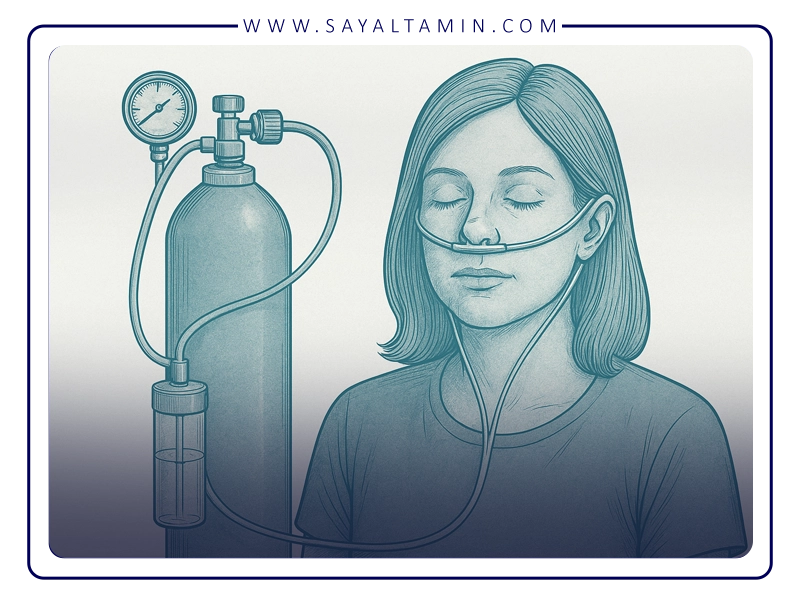
Oxygen therapy involves the inhalation of high-flow, high-concentration oxygen via a mask or nasal cannula. Traditionally used for respiratory diseases, it has also shown promise in headache management.
Clinical findings demonstrate that oxygen therapy can:
- Provide rapid relief in cluster headaches.
- Shorten the duration and intensity of attacks in some migraine patients.
- Improve cellular energy availability in oxygen-deprived brain tissue.
Possible mechanisms include:
- Restoring oxygen supply to neurons and supporting normal metabolism.
- Reducing vascular dilation and intracranial pressure.
- Modulating inflammatory pathways.
- Balancing neurotransmitter activity related to pain signaling.
Benefits and Limitations
Advantages:
- Non-invasive and drug-free.
- Fast onset of action.
- Few side effects when administered properly.
Limitations:
- Requires specialized equipment (oxygen cylinders, regulators, masks).
- Limited accessibility in some regions.
- Higher cost compared to oral medications.
- Effectiveness varies by migraine type; not all patients respond.
- Protocols for optimal dosage and duration are still under investigation.
Industrial and Medical Supply Connection
Medical-grade oxygen is supplied by the industrial gas and petrochemical sectors, which also produce oxygen for healthcare facilities. The quality and purity of oxygen are critical for therapy effectiveness and patient safety. Collaboration between gas suppliers and healthcare providers is essential to ensure consistent access to high-grade oxygen for clinical use.
| Read more: Liquid oxygen in hospitals |  |
Future Outlook
With advances in gas production, storage, and delivery technologies, the cost and accessibility of oxygen therapy are expected to improve. Key opportunities include:
- Development of portable, affordable oxygen delivery devices for home use.
- Stronger industry–healthcare collaboration to guarantee supply quality.
- Expanded clinical research to define precise treatment protocols.
- Patient and physician education programs about benefits and limitations.

Migraine remains a disabling neurological condition in urgent need of effective, well-tolerated therapies. Oxygen therapy, due to its biological relevance and rapid effects, has emerged as a valuable tool—particularly for cluster headaches and selected migraine cases. However, broader clinical validation is required to standardize use and identify which patients benefit most.
At the same time, the gas industry plays a vital role in ensuring the availability of safe, high-purity oxygen, underscoring the importance of cross-sector collaboration between healthcare and industrial supply chains.
| Must read: Liquid oxygen in medical oxygen supply |  |
————————————————–
Sources: