
This post is also available in: Persian Armenian
Cold plasma technology has emerged as an innovative tool in food processing, attracting significant attention for its ability to disinfect surfaces and extend shelf life. Among the various gases used to generate cold plasma, oxygen plays a key role in producing reactive oxygen species (ROS), which exhibit strong antimicrobial activity against bacteria, molds, and yeasts in food. Due to its low operating temperature, this technology enables processing of heat-sensitive foods such as fruits, vegetables, and protein products without compromising their nutritional and sensory properties.
Cold plasma, considered the fourth state of matter, functions as an ionized gas near room temperature. This property allows its use on temperature-sensitive foods without causing major physical or chemical changes. In recent decades, the application of cold plasma in the food industry has grown significantly, with particular emphasis on the composition of the working gas—especially oxygen.
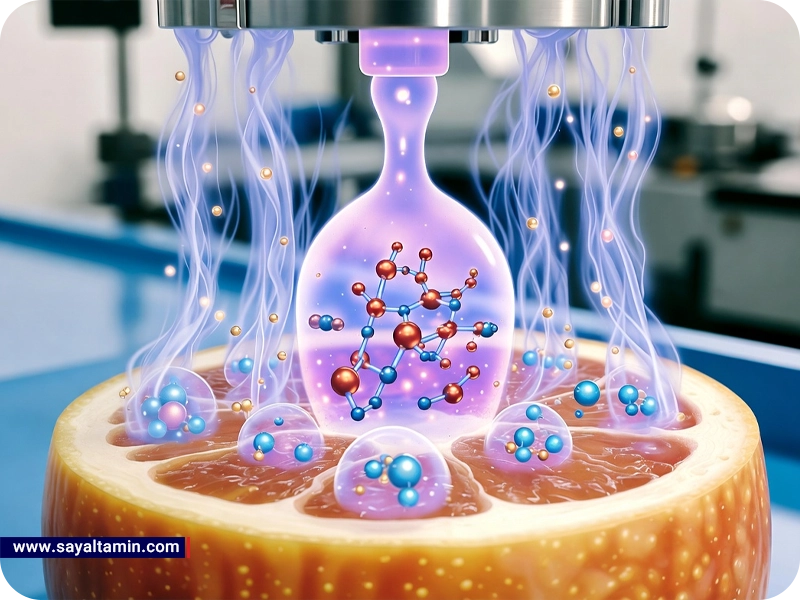
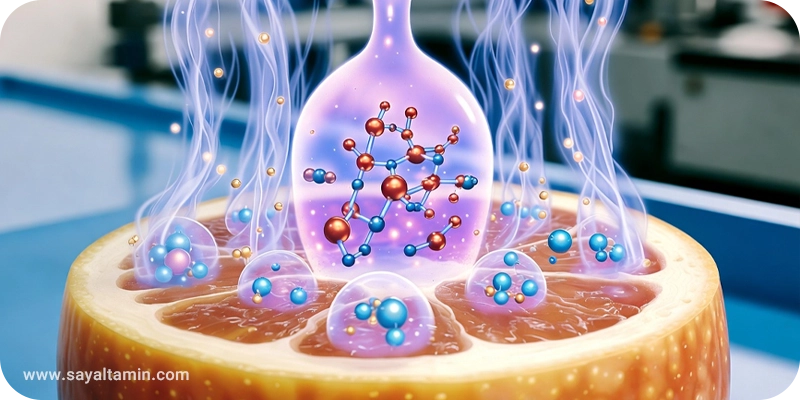
Oxygen generates chemically active species such as hydroxyl radicals (•OH), hydrogen peroxide (H₂O₂), and nitrogen oxides, which can disrupt microbial cell walls and lead to cell death. Consequently, oxygen-containing cold plasma is recognized as a natural, chemical-free method to enhance food safety and shelf life. Research shows that the oxygen ratio in the base gas determines the type and intensity of reactive species produced in the plasma, directly affecting antimicrobial efficacy and final product quality. In addition to disinfection, oxygen-rich cold plasma can modify surface properties of foods, such as surface energy and wettability, which are valuable for food packaging and processing applications.
Scientific Basis of Cold Plasma and Oxygen’s Role
Cold plasma, the fourth state of matter, consists of a mixture of ions, electrons, neutral molecules, and reactive chemical species. Unlike hot plasmas with temperatures of thousands of degrees, cold plasma operates near ambient temperature, allowing it to interact safely with heat-sensitive foods such as fruits, vegetables, meat, and dairy products. This makes cold plasma a unique tool in the food industry.
Cold plasma is categorized based on energy source and base gas type, including non-thermal plasma jets, corona discharges, and dielectric barrier discharges. In all systems, gas selection is critical because the gas composition dictates the reactive chemical species formed, influencing antimicrobial effects and surface modifications in foods.
Oxygen is pivotal due to its ability to form reactive oxygen species (ROS), including hydroxyl radicals (•OH), atomic oxygen (O), hydrogen peroxide (H₂O₂), and nitrogen oxides in the presence of air. These compounds react rapidly with microbial lipids, proteins, and nucleic acids, disrupting cellular function. Biologically, this leads to cell wall damage, metabolic disruption, and ultimately microbial death.
Another effect of oxygen in cold plasma is surface oxidation of foods, which can alter physical properties such as surface energy, wettability, and packaging compatibility. For instance, treating vegetable surfaces with oxygen-rich cold plasma can improve coating adhesion and extend shelf life.
Studies indicate that oxygen concentration in the base gas strongly affects microbial inactivation rates and the time required for disinfection. Increasing oxygen generally boosts ROS formation and antimicrobial efficacy, but excessive oxygen can cause over-oxidation, leading to undesirable color or flavor changes. Therefore, optimizing oxygen ratios and operational parameters is key to industrial success.
Combining oxygen with other gases like nitrogen, argon, or air can produce synergistic effects. For example, argon lowers the electrical breakdown threshold, generating a more stable plasma and uniform ROS distribution. Such combinations allow precise control over surface disinfection while minimizing quality changes.
A deep understanding of the physical and chemical mechanisms of cold plasma and oxygen’s role provides a foundation for designing effective and safe industrial systems. This knowledge enables optimized use of cold plasma in food processing, reducing waste, extending shelf life, and improving product safety.
Practical Applications of Oxygen-Containing Cold Plasma in Food Processing
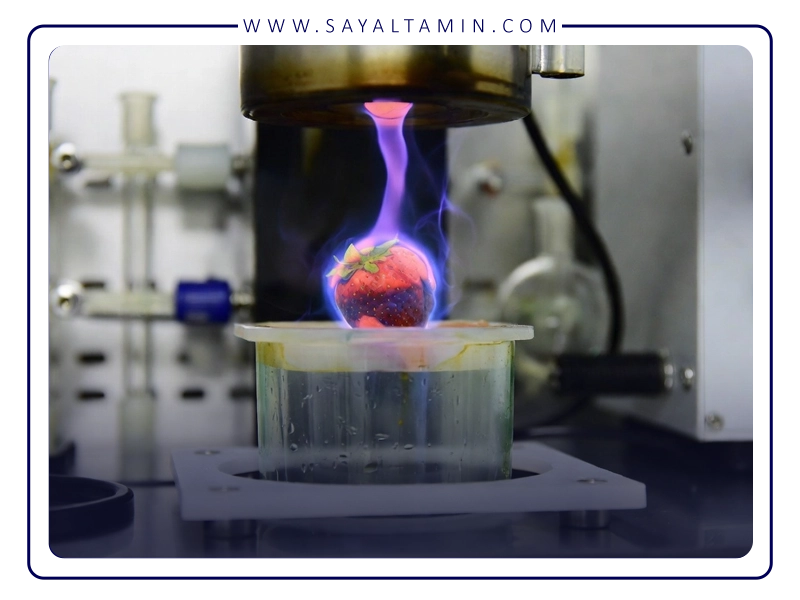
Oxygen-containing cold plasma technology is increasingly recognized in the food industry as an innovative method for disinfection, extending shelf life, and maintaining product quality. Unlike traditional thermal and chemical methods, cold plasma operates at low temperatures, allowing the processing of heat-sensitive foods and biologically active compounds such as vitamins, antioxidants, and enzymes without degradation. This technology rapidly reacts with microbes through the production of reactive oxygen species (ROS), disinfecting food surfaces without major changes in texture, color, or taste.
1- Disinfection of Fresh Fruits and Vegetables
Fresh fruits and vegetables, due to their large surface area, high moisture, and nutrient-rich environment, are ideal for the growth of bacteria, molds, and yeasts. Oxygen-containing cold plasma generates ROS that quickly destroy microbial cell walls and disrupt their metabolism. Studies show that applying cold plasma for 3–5 minutes can reduce the microbial load on surfaces of apples, strawberries, lettuce, and spinach by over 90%, while preserving sensory qualities such as natural color, crisp texture, and desirable taste. Additionally, cold plasma can inactivate resistant microbial spores, which are usually not eliminated by washing or chemical disinfection. One major advantage of oxygen-containing cold plasma is the reduced need for chemical preservatives, which lowers costs, improves consumer health, and reduces the risk of chemical residues in products.
2- Processing of Protein Products
Meat, poultry, and fish are highly susceptible to rapid microbial spoilage. Oxygen-containing cold plasma can provide surface sanitization and reduce the growth of spoilage bacteria such as Escherichia coli and Listeria monocytogenes. Unlike thermal methods, this technology preserves natural proteins and enzymes while minimizing unwanted chemical changes. Studies have shown that applying cold plasma for 10–15 minutes significantly reduces surface microbial load, while color, flavor, and texture changes remain minimal. A key challenge in using cold plasma for meat is lipid oxidation; excessive oxygen concentration or prolonged treatment may generate oxidized compounds, causing undesirable changes in taste and odor. Therefore, optimizing oxygen ratio, plasma intensity, and treatment time is essential.
3- Dairy and Fermented Products
In dairy and fermented products such as cheese, yogurt, and probiotic items, maintaining microbial balance and preventing the growth of harmful bacteria is crucial. Oxygen-containing cold plasma can disinfect surfaces, packaging, and even soft cheese surfaces without affecting beneficial microorganisms. This is particularly valuable in soft cheese and probiotic production, allowing reduced use of chemical preservatives and extending product shelf life. Additionally, cold plasma reduces the risk of cross-contamination in production lines, as surfaces and packaging can be disinfected without complex chemical washing.
4- Processing of Packaging and Ready-to-Eat Foods
With the growth of the ready-to-eat food market, non-chemical methods are increasingly needed for disinfecting packaging and internal products. Cold plasma can effectively disinfect plastic packaging, paper containers, and films, preventing microbial transfer to food. Its low temperature avoids damage to plastic packaging and provides long-term product safety. In industries producing sandwiches, salads, and ready meals, using cold plasma can extend product storage time while maintaining sensory quality.
5- Combined Effects and Quality Control
Processing time and intensity: Optimizing plasma duration and intensity is critical; too short may not achieve sufficient antimicrobial effect, while too long may cause excessive oxidation.
Gas composition: Combining oxygen with nitrogen or argon can create synergistic effects and produce ROS more uniformly.
Distance from plasma source: Proper spacing ensures microbial reduction and product safety.
Ambient humidity and temperature: Relative humidity and temperature influence oxidative reactions and disinfection efficacy and must be considered in industrial process design.
6- Advantages in Reducing Food Waste
Using oxygen-containing cold plasma not only improves safety and shelf life but also helps reduce food waste. By limiting microbial growth and maintaining product quality, consumers receive fresher, healthier, and longer-lasting products. This benefit is especially important in fresh produce supply chains and ready-to-eat food industries, as reduced waste lowers costs and improves environmental sustainability.
7- Industrial Examples and Applied Research
In studies on strawberries and lettuce, applying cold plasma with 20% oxygen for 5 minutes reduced surface microbial load by over 95%, while preserving color and texture. In fresh chicken, applying oxygen-containing cold plasma for 10 minutes reduced surface Salmonella without significantly affecting taste or color. In soft cheeses and packaged yogurts, using cold plasma for packaging disinfection increased product shelf life by up to 30% and reduced the need for chemical preservatives.
Advantages, Limitations, and Comparison with Traditional Methods
Oxygen-containing cold plasma technology, due to its unique characteristics, has gained a special position in food processing. Below, its advantages, limitations, and comparison with traditional thermal and chemical methods are discussed.

1- Advantages of Using Oxygen-Containing Cold Plasma
a. Effective Disinfection without Heat:
One of the greatest advantages of cold plasma is its ability to disinfect food without the need for high temperatures. This feature is especially important for heat-sensitive foods such as fruits, vegetables, meats, and dairy products. Unlike thermal pasteurization, the nutritional and sensory properties of the product are preserved, and unwanted chemical changes in proteins, vitamins, and antioxidants are minimized.
b. Reduced Need for Chemicals:
Traditional disinfection methods often rely on chemical compounds such as hypochlorites, perchlorines, or other preservatives. These substances may remain in the product and raise health concerns. Oxygen-containing cold plasma can reduce surface microbial load without these issues, enhancing food safety.
c. Extended Shelf Life and Waste Reduction:
By reducing microbial growth and maintaining sensory quality, the use of cold plasma extends the shelf life of foods. This is particularly valuable for fresh fruits and vegetables and ready-to-eat products, resulting in decreased waste and economic and environmental benefits.
d. Synergistic Effects with Other Gases:
Combining oxygen with argon or nitrogen not only improves ROS uniformity but also allows for more precise process control and enhanced antimicrobial effects without damaging the product. This makes cold plasma a flexible option for various industries.
2- Limitations and Challenges
Despite its advantages, oxygen-containing cold plasma has some limitations:
- Excessive Oxidation: High oxygen concentration and long processing times may lead to lipid oxidation, color changes, and undesirable taste in protein products and vegetables.
- Limited Penetration Depth: Plasma mainly disinfects the surface of foods, with limited penetration into internal tissues. Therefore, products with large surfaces or complex structures require careful industrial system design.
- Equipment and Energy Costs: Installing and maintaining plasma systems requires initial investment and energy consumption, although these costs are offset in the long term by reduced waste and chemical use.
- Need for Process Optimization: Each food type requires specific conditions for oxygen ratio, plasma intensity, treatment time, and distance from the source to maximize antimicrobial effects while minimizing quality damage.
3- Comparison with Traditional Methods
a. Thermal Methods:
Thermal methods like pasteurization and sterilization are effective and fast but can destroy heat-sensitive compounds and alter texture and flavor. In contrast, oxygen-containing cold plasma disinfects surfaces without heat or quality degradation.
b. Chemical Methods:
Chemical disinfectants such as chlorine, peroxides, or acids can be effective but may leave residues and alter taste. Cold plasma generates ROS instantaneously, which decompose rapidly in air, avoiding chemical residues in the product.
c. Combined Methods:
In many industries, combining cold plasma with traditional methods has been explored. For example, pre-treatment with plasma followed by cold storage packaging can extend shelf life and reduce resistant microbes. These smart combinations leverage the best outcomes from both approaches.
4- Industrial Optimization Considerations
- Determining Optimal Oxygen Ratio: For each food type, the oxygen ratio in the base gas must be precisely set to maximize antimicrobial effects while minimizing quality changes.
- Controlling Plasma Time and Intensity: Short durations may be insufficient, while long durations can cause oxidation and color changes.
- Monitoring Ambient Temperature and Humidity: Even in cold plasma, environmental conditions can affect ROS activity.
- Equipment Design: The distance and angle of plasma exposure must ensure uniform surface coverage and contact with all active species.
Effects of Oxygen-Containing Cold Plasma on Different Foods
| Food Type | Main Mechanism | Observed Effects | Advantages | Limitations |
|---|---|---|---|---|
| Fresh Fruits & Vegetables | ROS production and microbial cell wall disruption | Up to 95% reduction in microbial load, preserved color and texture | Chemical-free disinfection, extended shelf life, reduced waste | Surface oxidation sensitivity, limited penetration |
| Meat & Protein Products | Surface oxidation of fats and proteins, bacterial destruction | Reduced spoilage bacteria, preserved texture and flavor | Heat-free disinfection, preserved proteins and enzymes | Lipid oxidation if overprocessed, color changes |
| Dairy & Fermented Products | Surface ROS and microbial load reduction in packaging | Extended shelf life, reduced harmful bacteria | Reduced preservative use, preserved beneficial microbiome | Surface-limited effect, requires optimized gas ratio and treatment time |
| Packaging & Ready-to-Eat Foods | Surface microbial destruction on packaging and containers | Reduced cross-contamination risk, improved product safety | Increased shelf life, preserved packaging quality | Limited penetration into product, requires proper equipment design |

Oxygen-containing cold plasma technology, as an innovative tool in food processing, offers a combination of antimicrobial efficacy, product quality preservation, and waste reduction. Scientific and empirical studies show that this technology, by generating reactive oxygen species (ROS), can reduce the microbial load on a wide range of products—from fresh fruits and vegetables to meat and dairy—without significantly affecting the sensory or nutritional properties of the product.
One of the key advantages of cold plasma is its ability to replace or reduce the use of traditional thermal and chemical methods. Unlike thermal pasteurization, cold plasma operates at near-ambient temperatures and does not degrade sensitive compounds. Similarly, unlike chemical preservatives, it leaves no residual active chemicals on the product, reducing both health and flavor concerns.
Applied studies have shown that treatment with cold plasma containing 15–20% oxygen for 3–15 minutes, depending on the product type, can achieve over 90% reduction in surface microbial load. In fruits and vegetables, color and texture are maintained; in meats, proteins and enzymes remain unchanged; and in dairy products and packaged foods, shelf life is significantly extended.
Despite these advantages, there are limitations that must be considered in industrial process design:
- Excessive Oxidation: Oxygen ratio and processing time must be optimized to minimize color, flavor, and texture changes.
- Limited Surface Penetration: Plasma primarily disinfects the product surface; specialized equipment design is required for internal tissues or deeply embedded microbes.
- Capital and Energy Costs: Plasma systems require specialized equipment and energy, although these costs are offset by reduced waste and decreased chemical use.
Industrial Recommendations
To successfully implement oxygen-containing cold plasma in the food industry, the following recommendations are suggested:
- Optimize Gas Ratio and Processing Time: Initial trials should determine the ideal conditions for each type of food.
- Control Environmental Conditions: Temperature, humidity, and airflow can influence ROS activity and should be regulated.
- Combine with Other Gases or Methods: Mixing oxygen with nitrogen or argon, or applying plasma alongside cold storage or smart packaging techniques, can enhance antimicrobial effects and shelf life.
- Proper Equipment Design: Plasma distance and angle must ensure uniform surface coverage and complete access to all areas of the product.
————————————————–
resource
Misra, N. N., Pankaj, S. K., & Keener, K. M. (2016). Cold Plasma in Food and Agriculture. Annual Review of Food Science and Technology, 7, 79–99.
Niemira, B. A. (2012). Cold plasma decontamination of foods. Annual Review of Food Science and Technology, 3, 125–142.
Ouf, S. A., et al. (2020). Application of cold plasma technology for food safety and quality: A review. Food and Bioprocess Technology, 13, 1–23.
Misra, N. N., & Jo, C. (2017). Cold plasma in foods: Novel food processing technology. Trends in Food Science & Technology, 67, 46–55.
Lukes, P., et al. (2014). Cold plasma in food technology: Methods, mechanisms, and applications. Critical Reviews in Food Science and Nutrition, 54(1), 29–49.
Pankaj, S. K., et al. (2018). Applications of cold plasma technology in food packaging. Trends in Food Science & Technology, 77, 10–23.