This post is also available in: Persian Armenian
Purging
What is perzing?
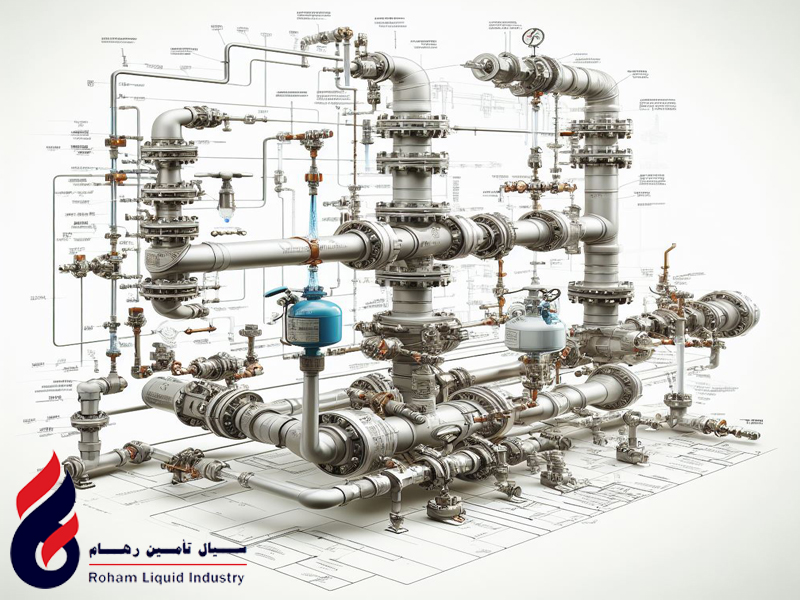
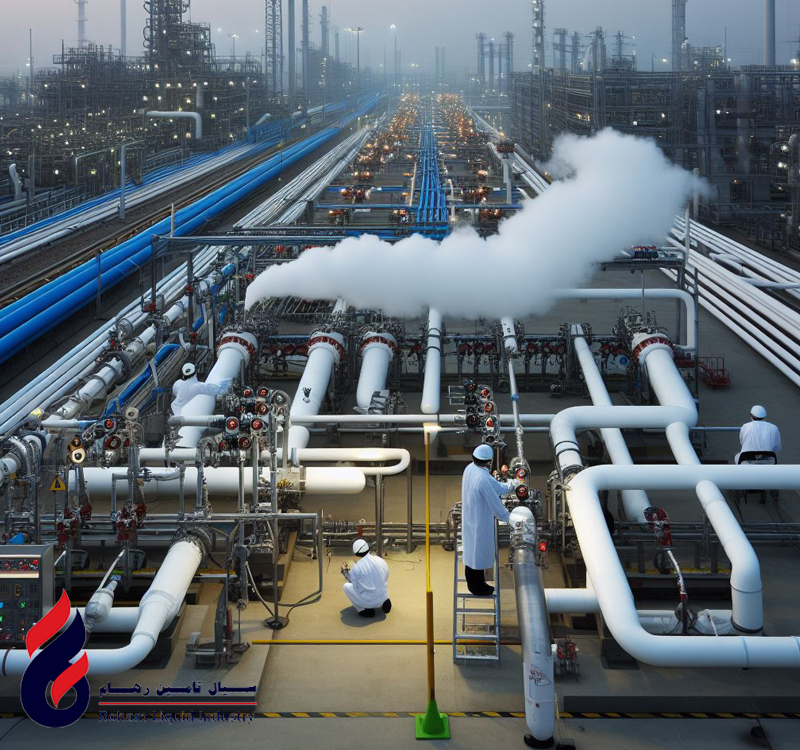
Purging is the process of replacing the contents of a pipe or tank with another substance (gas or liquid). This process is performed to prevent explosions, fires, and gassing of personnel in the oil and gas industries before repairs or commissioning tests.
Inert gases such as nitrogen are used for purging. This process has different types including dilution (reducing the purity of oxygen in the pipeline), purging (complete replacement with new material, complete removal of oxygen and other gaseous impurities and liquid vapors), tracking (using nitrogen gas pressure as a propellant for the pig inside the pipeline), leak detection (increasing the pressure of the pipeline and tanks to identify leaks and pressure drops).
Hot and cold pressing
Purging is a process in which the contents of a pipe or vessel are replaced with an inert gas or liquid (such as nitrogen) to prevent undesirable and dangerous reactions. Purging can be performed in two ways: cold and hot.
Cold pressing:
In this method, neutral gas or liquid is introduced into the system at the appropriate pressure and flow rate through the inlet and outlet pipes and removes the previous contents from the system. Cold purging is used to evacuate air, oxygen, flammable gases and contaminants from the system. Cold purging must be performed in compliance with relevant safety precautions and standards.
Hot pressing:
In this method, a neutral gas or liquid at a higher temperature than normal is injected into the system and, in addition to evacuating the previous contents, reduces humidity, dries internal surfaces, and removes undesirable vapors. Hot purging is used to prepare sensitive and complex systems that require complete drying before operation. Hot purging is more expensive and time-consuming than cold purging.
Other types of purging, including pig run purging, leak testing purging, flash purging, etc., are also used in various industries.
Safety tips when purging
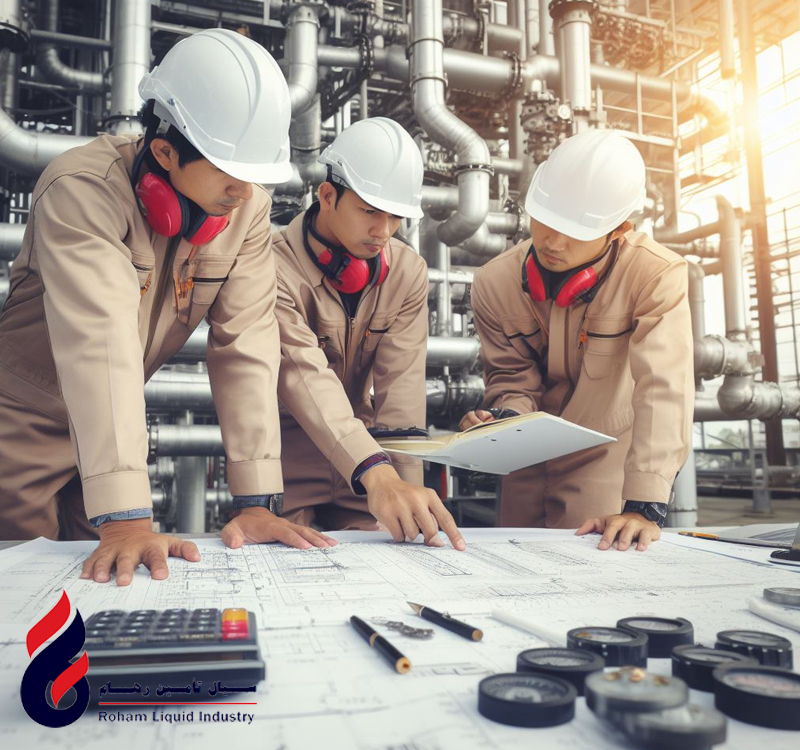
- Purging or deoxygenation should be performed by experienced and specialized individuals who are fully familiar with safety standards for working with pressurized equipment and gases and proper purging methods.
- Before starting purging pipelines or tanks containing flammable gases, you must ensure that all sources of ignition, flame, heat, electricity, and other combustion factors are cut off at a suitable distance from the purging site and that the release of the purged gas towards sources of ignition and flame is prevented.
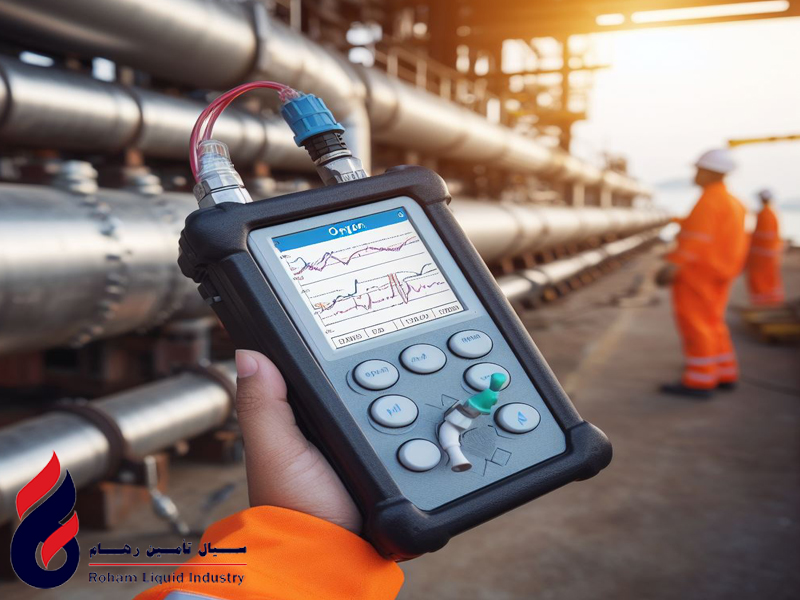
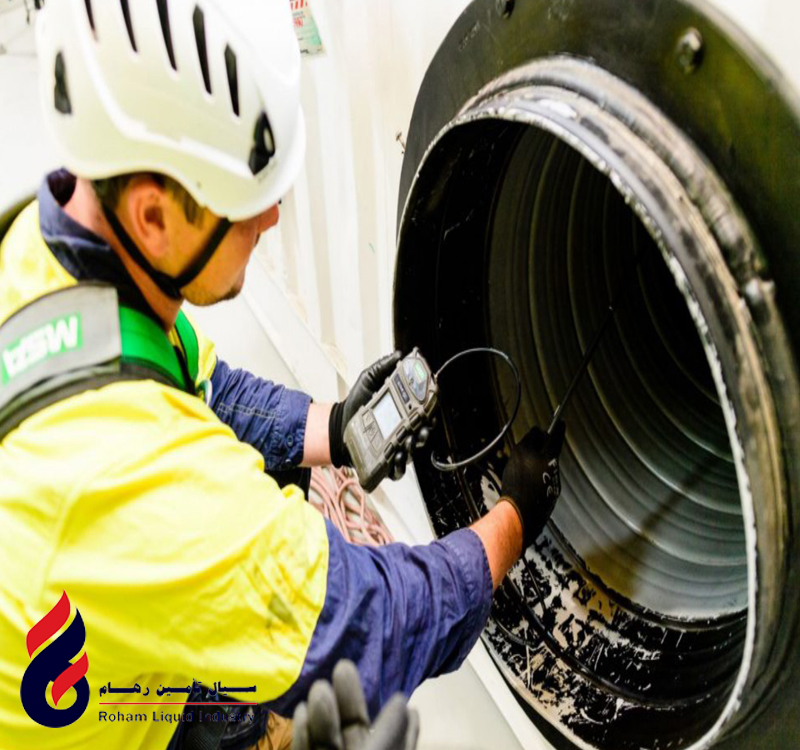
- When this process takes place in a closed room, during purging or deoxygenation, you must continuously monitor the amount of oxygen and flammable gases in the closed space using appropriate measuring devices and, if necessary, cut off the gas supply and take the necessary measures.
- When using cryogenic equipment and nitrogen evaporators, all necessary safety precautions for working with cryogenic condensates must be observed, and the operator must also wear personal safety equipment, including appropriate gloves and goggles, to prevent injury and burns from contact with liquid nitrogen.
portfolio
Steps for purging with liquid nitrogen
The steps for purging with liquid nitrogen are as follows:
- First, liquid nitrogen must be transported to the project site by cryogenic tanks and placed in a suitable location for the operation. In some cases, nitrogen can be injected directly from the transport tanks into pipelines or tanks, and in some projects, liquid nitrogen must first be transferred to a fixed cryogenic tank installed at the project site and then injected through this tank to the point of consumption.
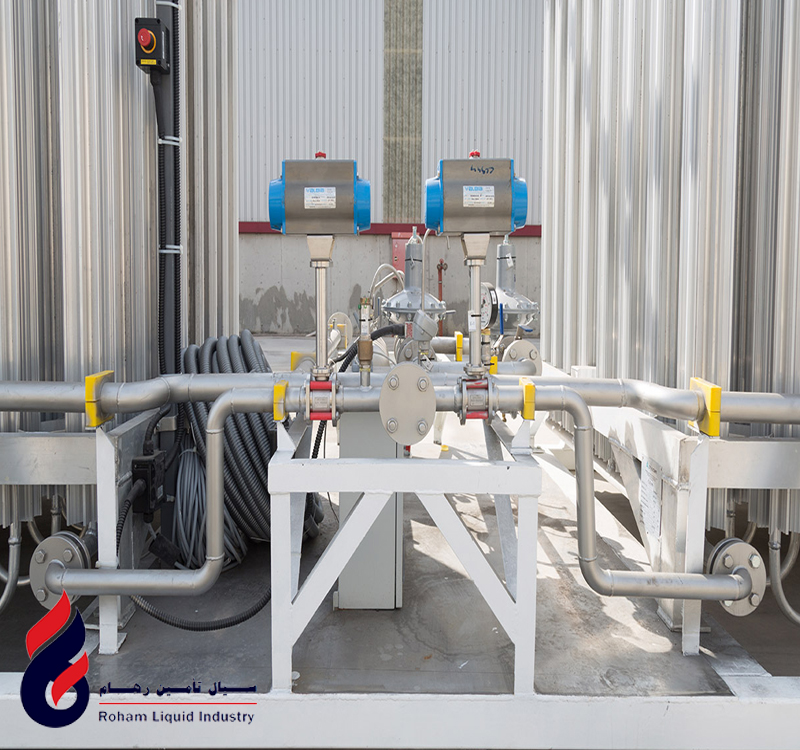
- Then, the cryogenic tank, evaporator (vaporizer), and, if necessary, the pressure pump should be connected to the injection location specified by the employer using piping or flexible hoses to transport cryogenic condensate.
- After that, by reviewing the instructions specified by the employer and paying attention to the pressure, temperature, and intensity of the gas injection flow, the process should be started, and the precise measuring instruments, including the tank pressure, the injection pressure and temperature, and the amount of liquid inside the tank, should be constantly checked during the process.
- After purging is complete, you must close the transfer line valves and stop the flow of liquid nitrogen. Then, you must disconnect the transfer line pipes and hoses from the liquid nitrogen tank and relieve the pressure trapped in the equipment in accordance with safety requirements.
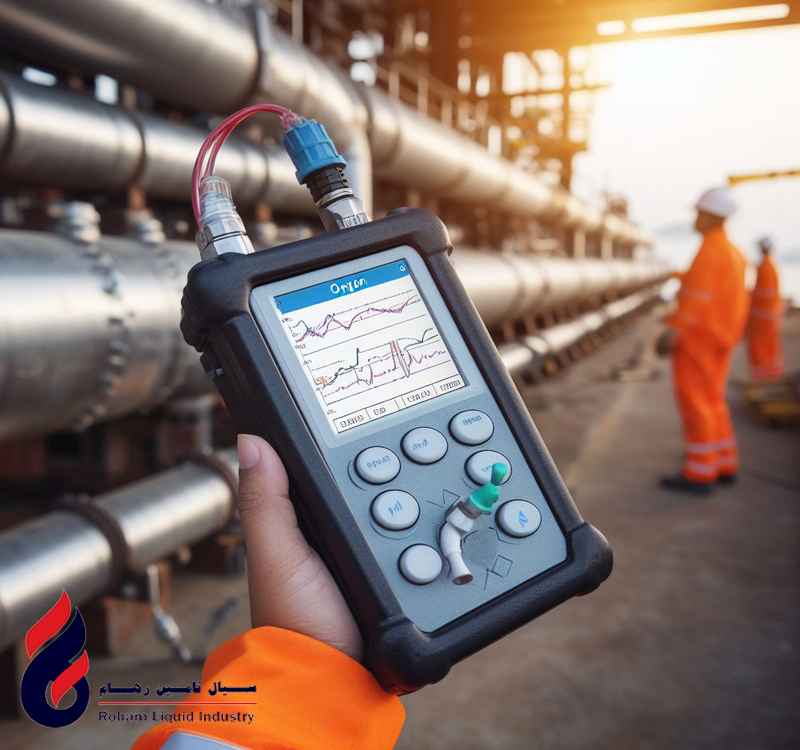
- At all stages, the amount of oxygen output from the purging process should be continuously measured and the process should be continued until the oxygen concentration decreases to the level specified by the employer. Finally, the entire process performed, including the initial and final oxygen concentration, the final pipeline pressure, the amount of liquid consumed, and other items, should be submitted to the employer as a meeting report.
Tamin Raham Fluid Purging Services
Sial Tamin Roham Company provides all services related to the purging process, including consulting and performing calculations related to the amount of gas and pressure required to perform the process properly, supplying and installing the required equipment, including evaporators, cryogenic transport and storage tanks, as well as pressure boosting pumps, supplying the liquid nitrogen required to perform the process, as well as operating and fully implementing the process at the employer’s site.